
Best Timing for Fire Restorations
Determining the optimal time for fire restorations depends on various factors including weather conditions, fire seasonality, and property occupancy. Typically, the most suitable periods are during mild weather months when environmental conditions facilitate effective cleanup and repairs. Conducting restorations in the off-peak seasons can also help reduce costs and scheduling conflicts.
Restorations are often most effective in spring and fall when temperatures are moderate, allowing for safer and more efficient work.
Avoiding extreme weather conditions such as heavy rain or intense heat can prevent delays and ensure quality outcomes.
Scheduling during times when properties are unoccupied minimizes disruption and facilitates quicker restoration processes.
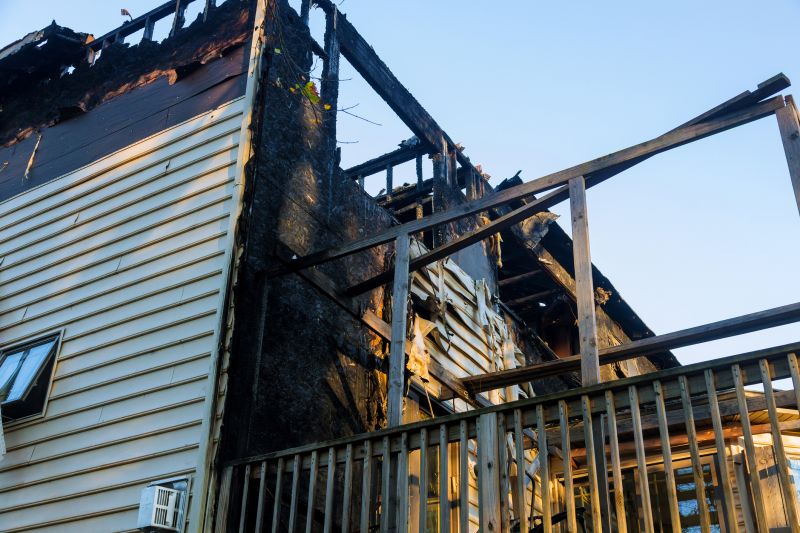
Initial evaluation helps determine the best timing for comprehensive restoration.
Optimal weather conditions support effective setup and operation of restoration tools.
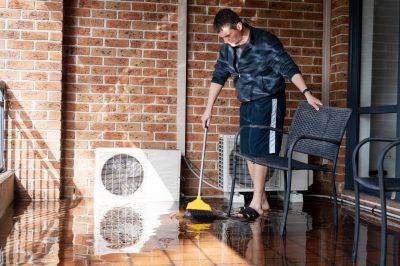
Scheduling during mild weather ensures thorough and safe cleanup procedures.
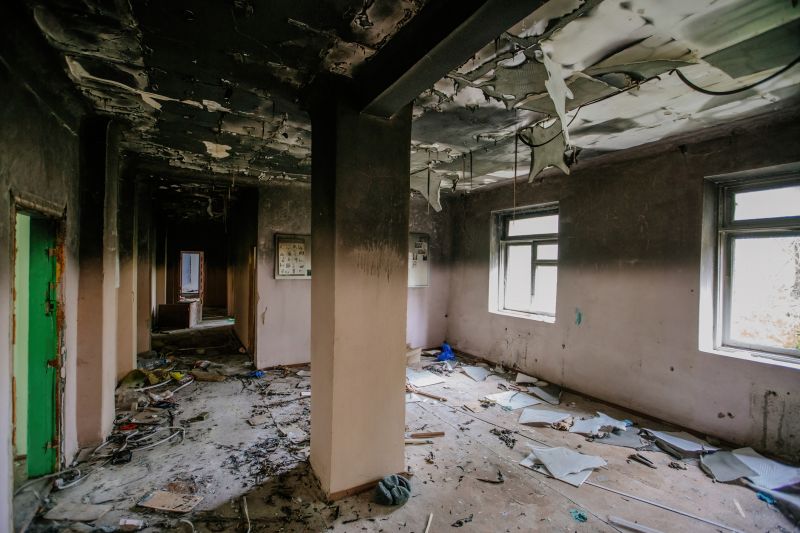
Ways to make Fire Restorations work in tight or awkward layouts.
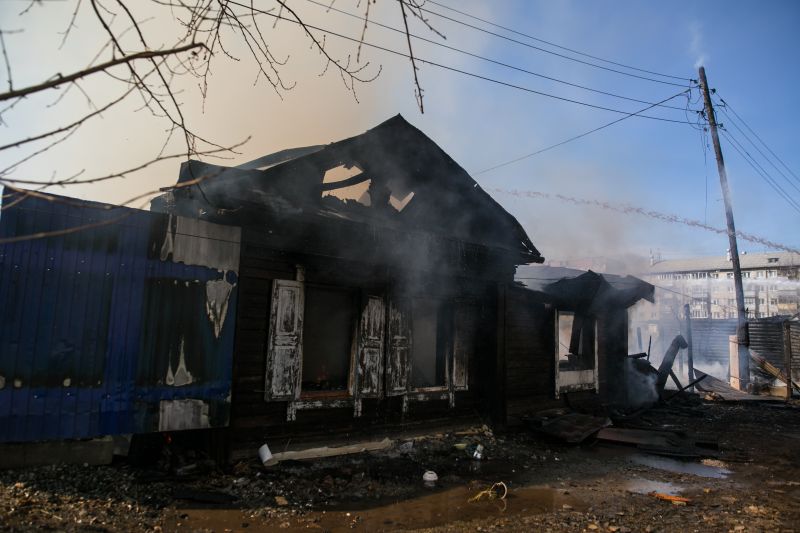
Popular materials for Fire Restorations and why they hold up over time.
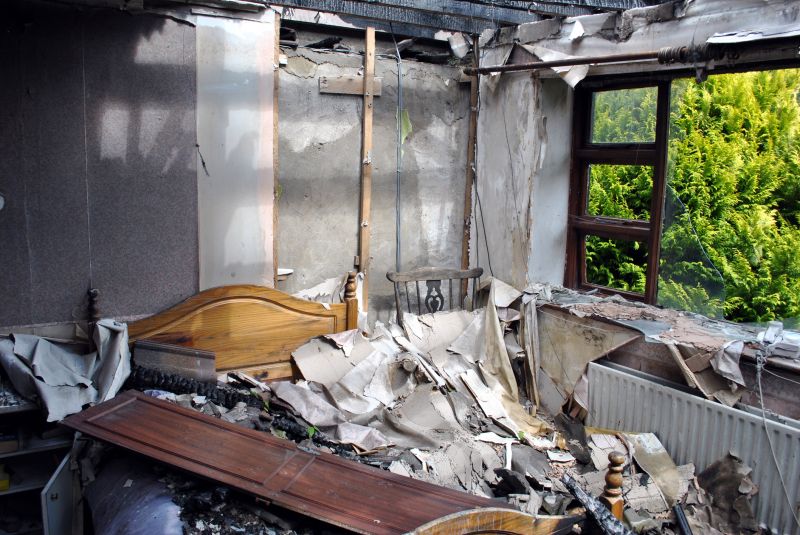
Simple add-ons that improve Fire Restorations without blowing the budget.
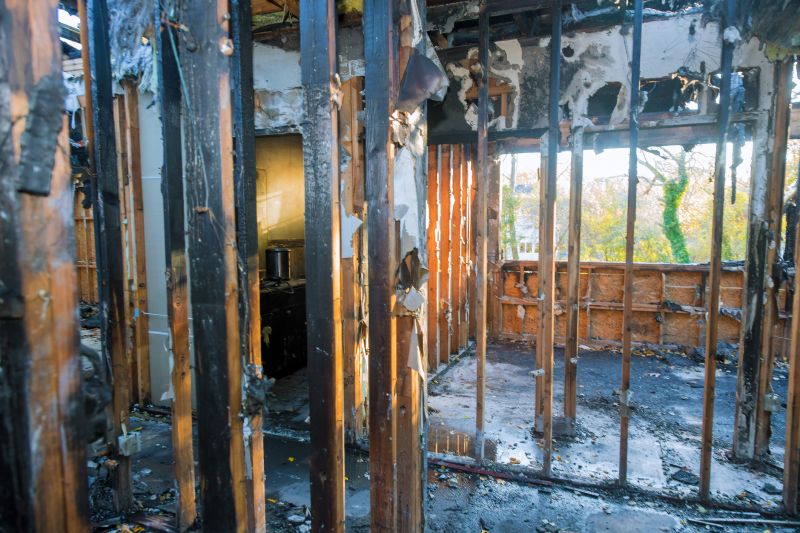
High-end options that actually feel worth it for Fire Restorations.
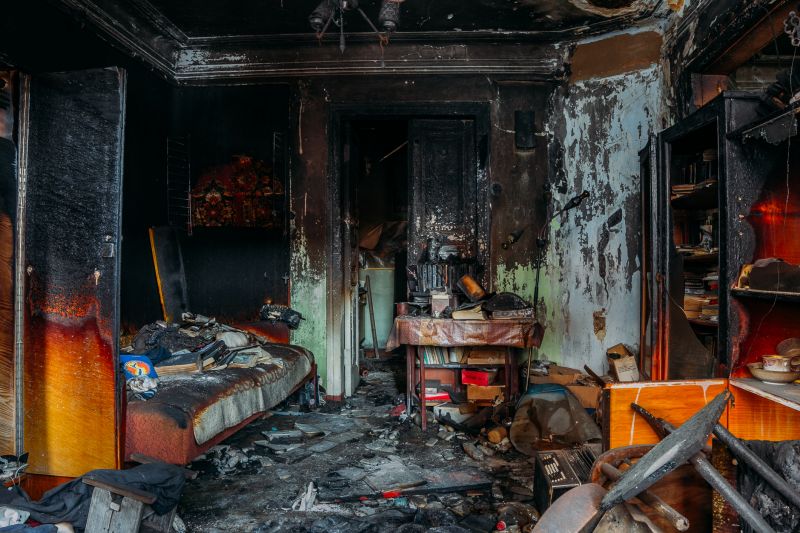
Finishes and colors that play nicely with Fire Restorations.
| Factor | Ideal Timing |
|---|---|
| Weather Conditions | Moderate temperatures, no heavy rain |
| Fire Seasonality | Post-fire periods when activity decreases |
| Occupancy Status | When property is unoccupied or minimally used |
| Environmental Conditions | Low humidity and stable air quality |
| Availability of Resources | Off-peak seasons for scheduling flexibility |
Fire restorations involve a comprehensive process of assessing damage, cleaning, structural repairs, and odor removal. The goal is to restore the property to a safe and habitable condition. Timely intervention is crucial to prevent further deterioration, mold growth, and secondary damages. Proper planning and scheduling during optimal periods can significantly enhance restoration outcomes.
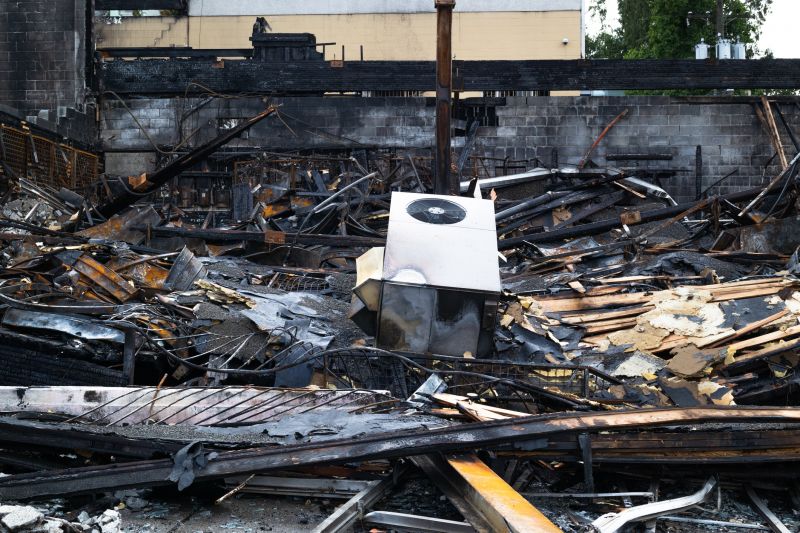
Detailed assessment identifies necessary repairs and appropriate timing.
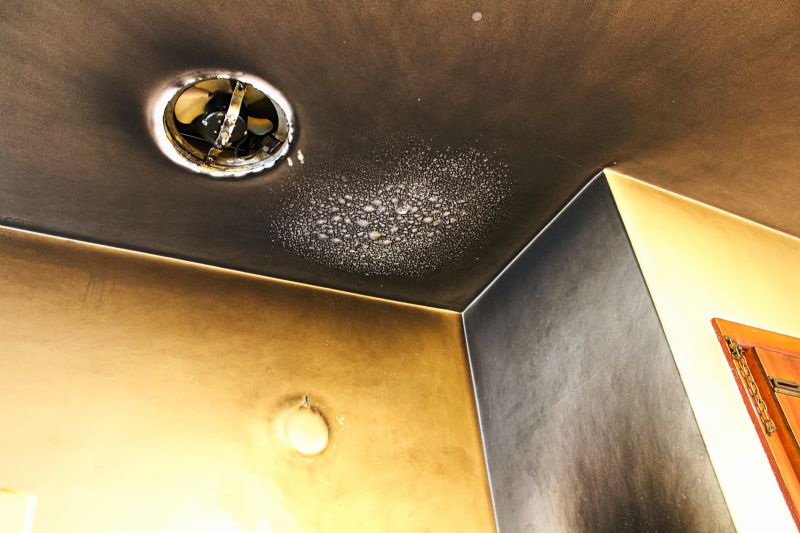
Effective cleaning is best performed when environmental conditions are stable.
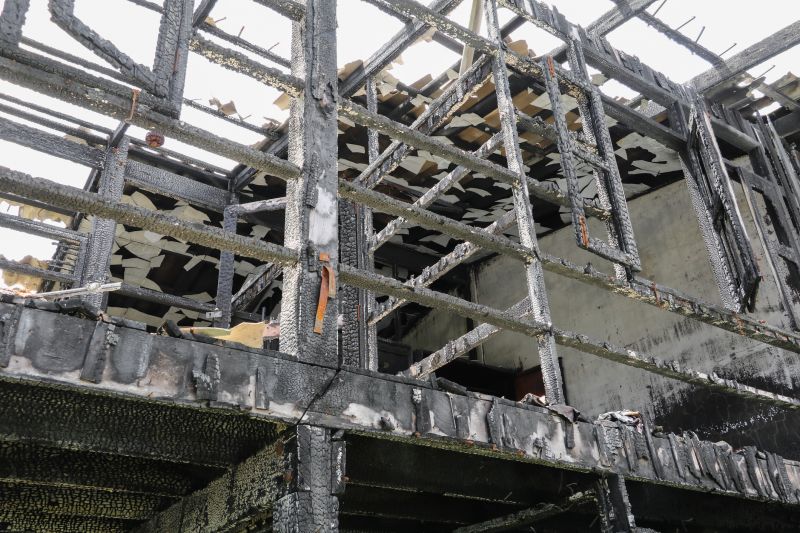
Scheduling during favorable weather ensures quality repairs and material curing.
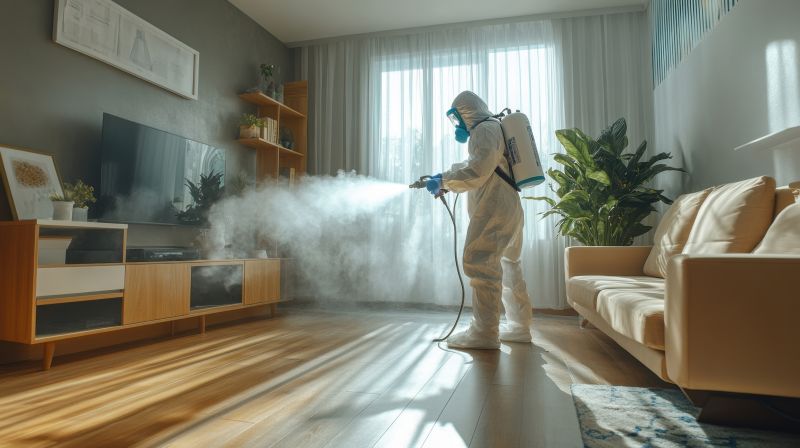
Proper timing enhances the effectiveness of odor mitigation methods.

Little measurements that prevent headaches on Fire Restorations day.
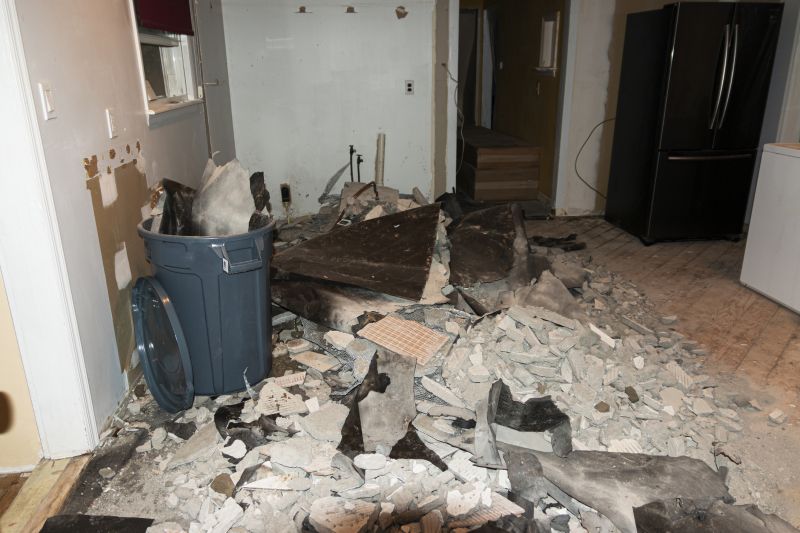
A 60-second routine that keeps Fire Restorations looking new.
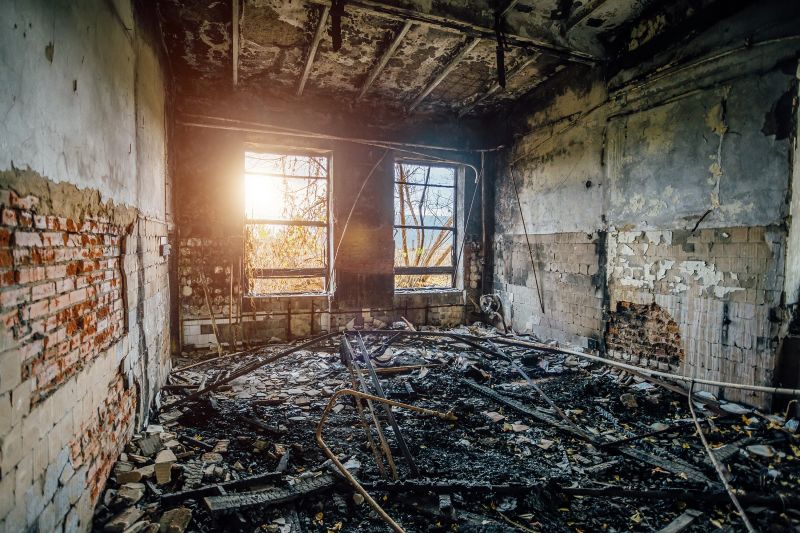
A frequent mistake in Fire Restorations and how to dodge it.

Small tweaks to make Fire Restorations safer and easier to use.
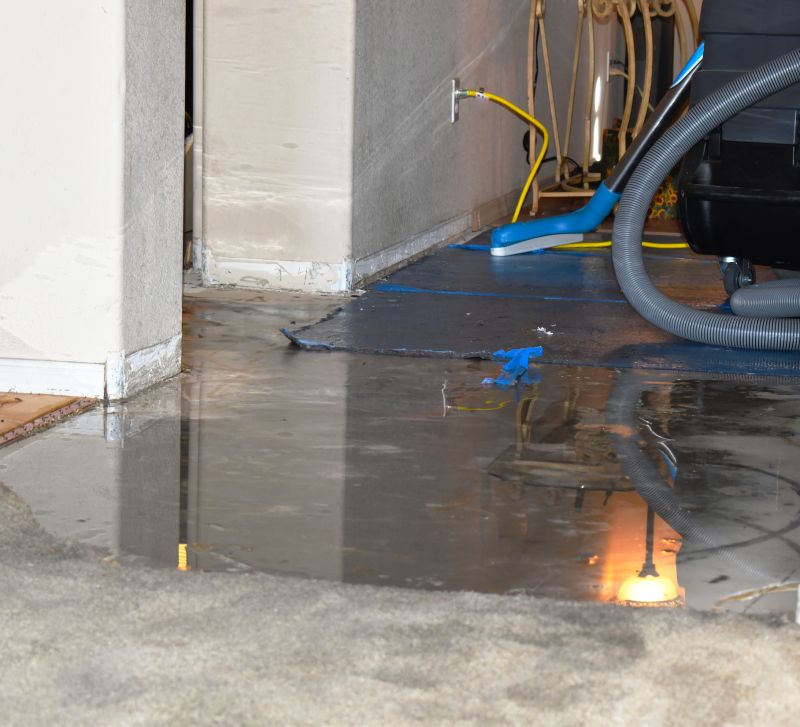
Advanced tools facilitate efficient and effective repairs.
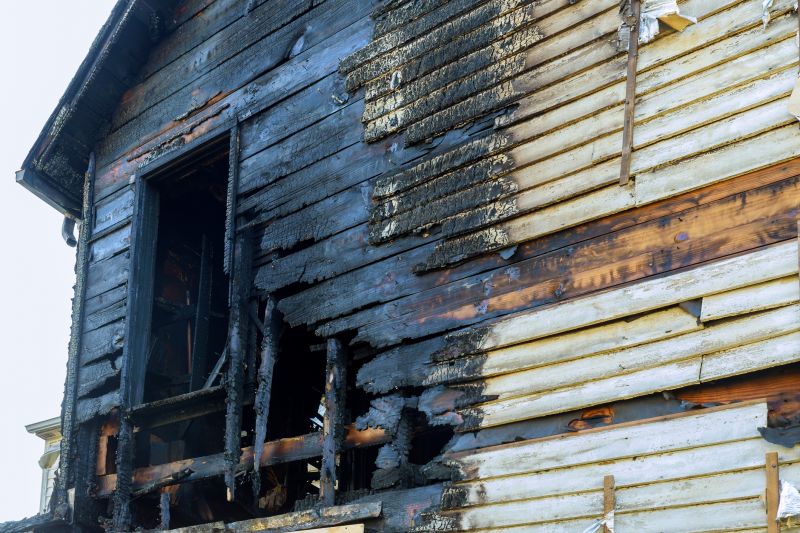
Skilled craftsmanship ensures durable restoration outcomes.
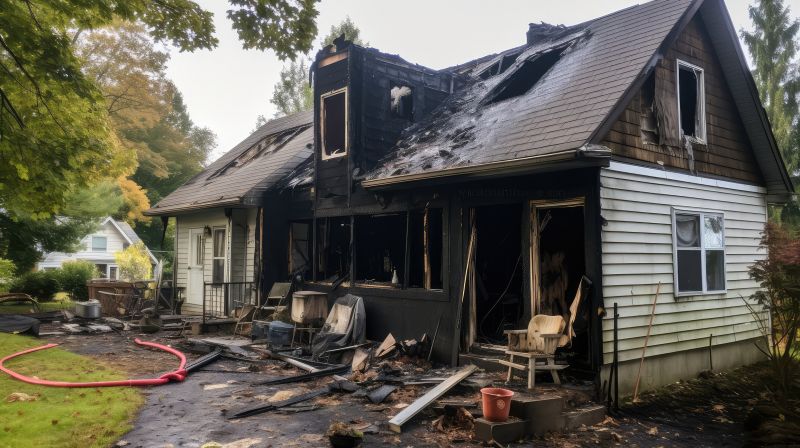
Ensures all damages are addressed and the property is restored properly.
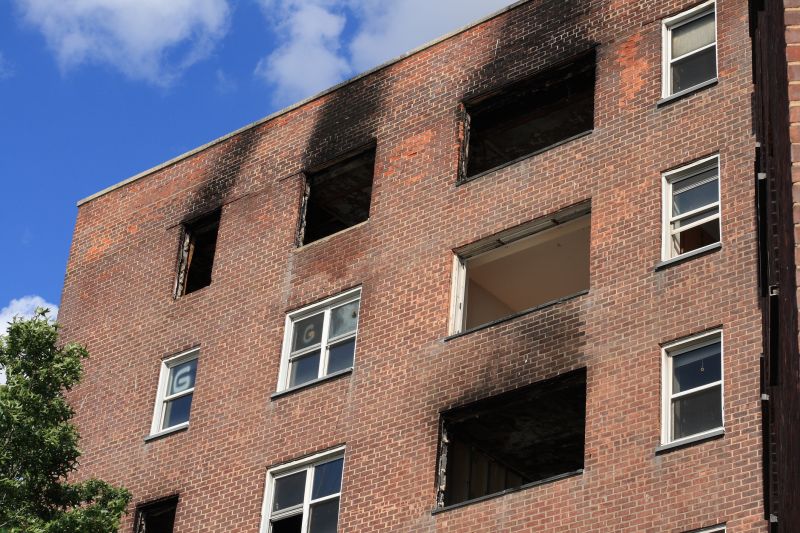
Lower-waste or water-saving choices for Fire Restorations.
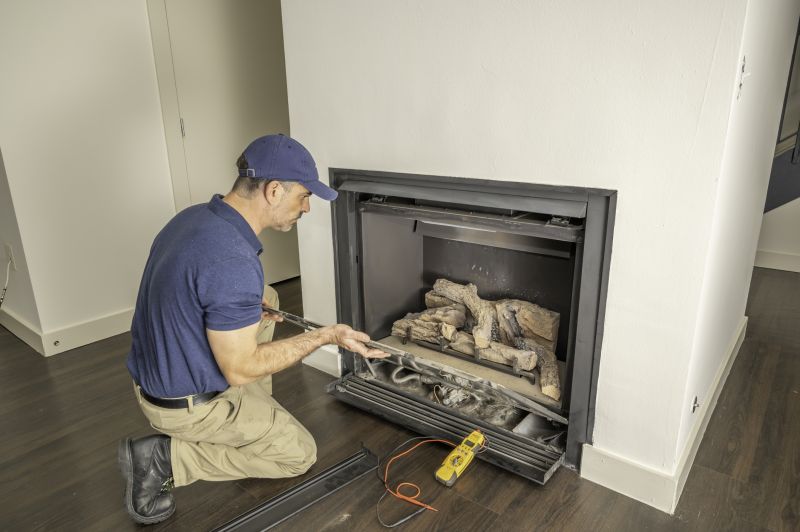
The short, realistic tool list for quality Fire Restorations.
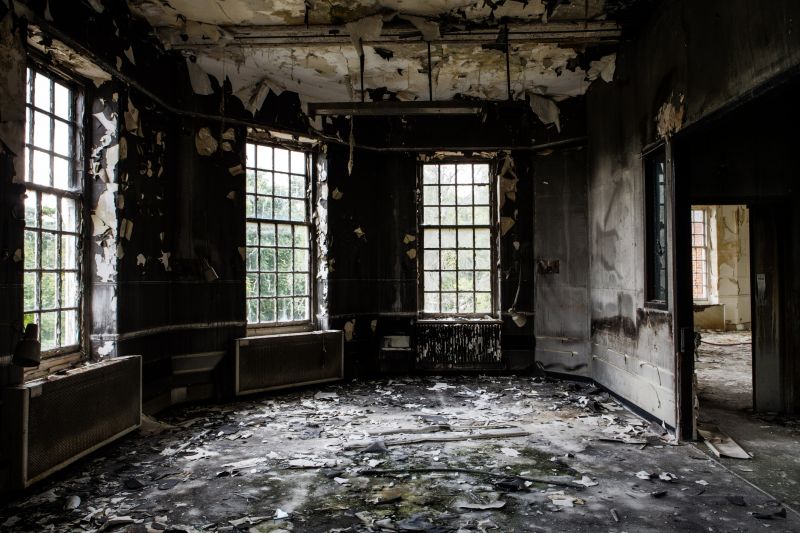
Rough timing from prep to clean-up for Fire Restorations.
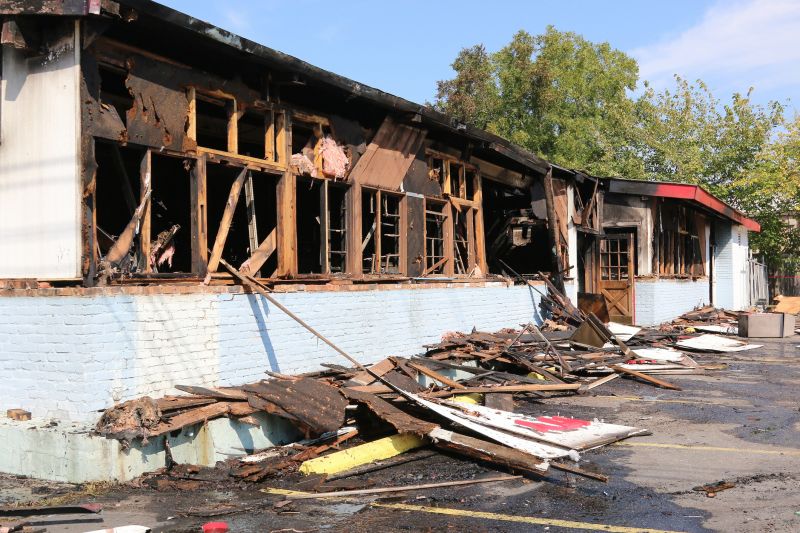
Quick checks and paperwork to keep after Fire Restorations.
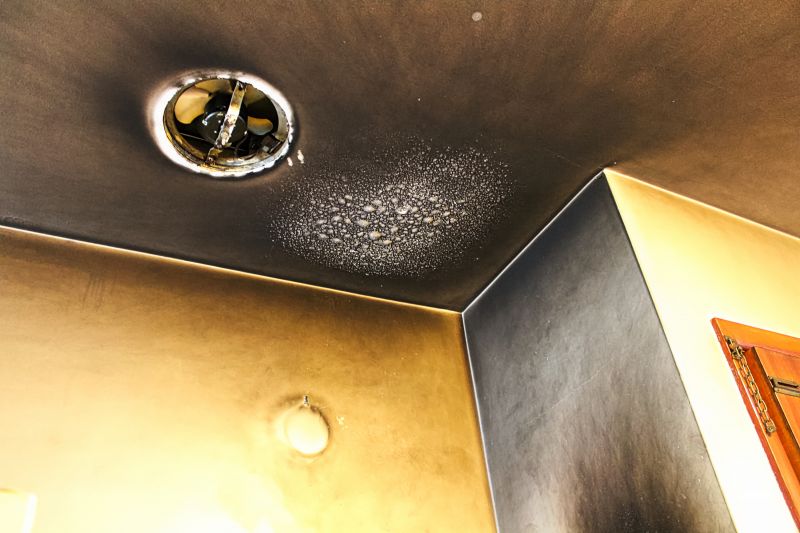
Examples that show the impact a good Fire Restorations can make.
Interested property owners can contact for detailed assessments and scheduling options. Proper timing and professional restoration services are essential for restoring safety, comfort, and property value after fire damage.